
 Foodlab Academy · Open for registration
The science behind the bar
From crunchy granola to protein bars
A focused three-hour workshop with Gil de Picciotto: the world of bars, the main types, production lines and the principles of product design. And five lab stations, a different bar at each.
This course is taught in Hebrew.
📅 Thursday, 26 November 2026 📍 Foodlab, Greenwork campus, Yakum 🧪 Lecture + 5 lab stations
 Details and registration
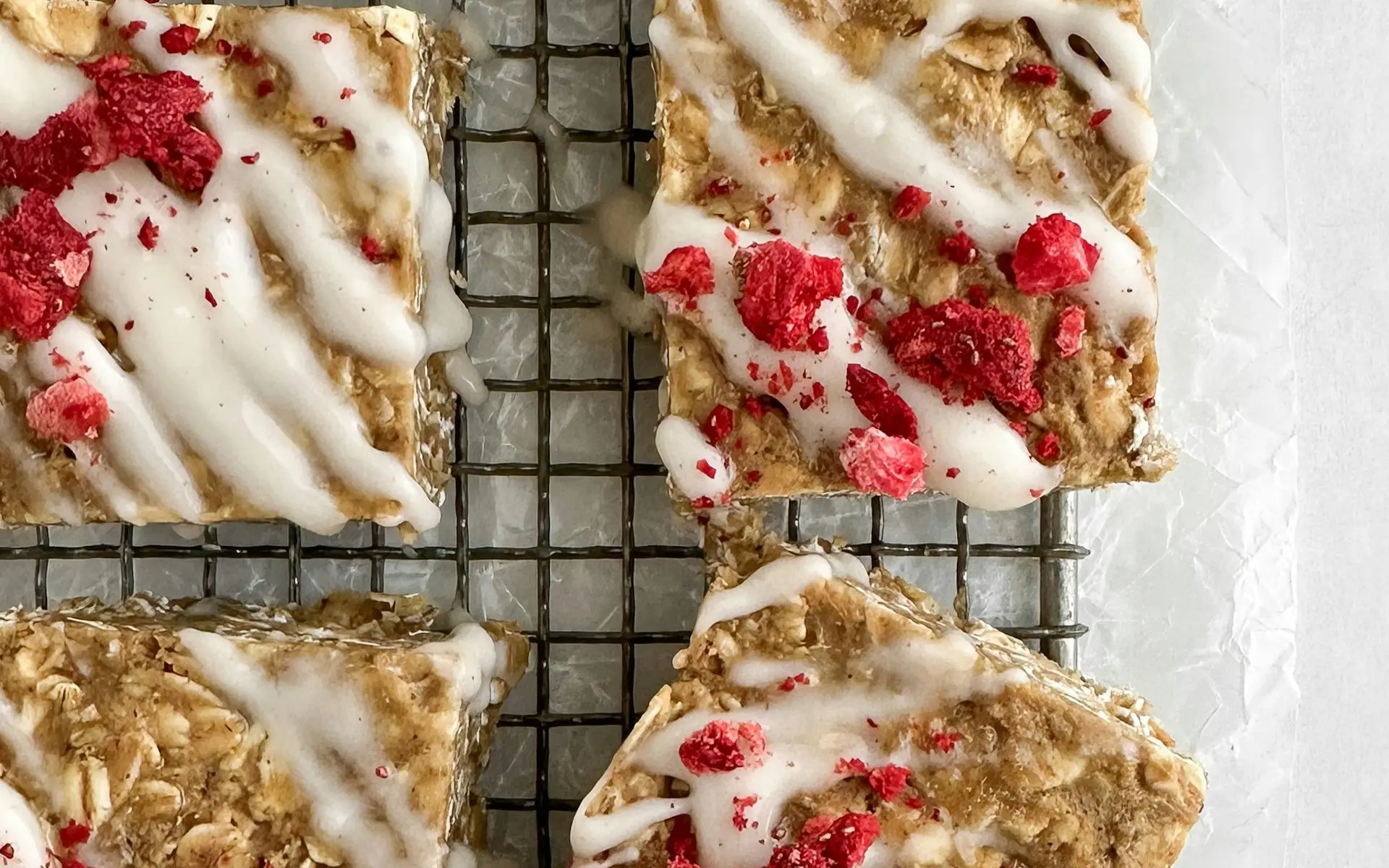
This is not a classroom. It is a lab.
Background
Oats, nuts, dates, protein. And all of it has to hold together: without crumbling in the bag, without hardening on the shelf, and without drowning in syrup.
So what actually holds a bar together? The binder, the water, the temperature and the pressure. And how a production line turns all of that into thousands of identical bars.
This workshop does not hand you a bar recipe. It gives you the principles to design one.
What will you learn?
Understanding the world of bars
- Introductions and shelf tasting. 20 minutes: tasting familiar supermarket bars and taking them apart.
- A history of the industry. How the bar went from hikers' food to a whole supermarket shelf.
- The main bar types. Granola, nut, fruit, protein, and what separates them beyond the wrapper.
- The physics and chemistry of a bar. What holds it together, how water affects it, and why it hardens on the shelf.
- Industrial production lines. An overview of the lines: from mixing and forming to cutting and packing.
Making five bars
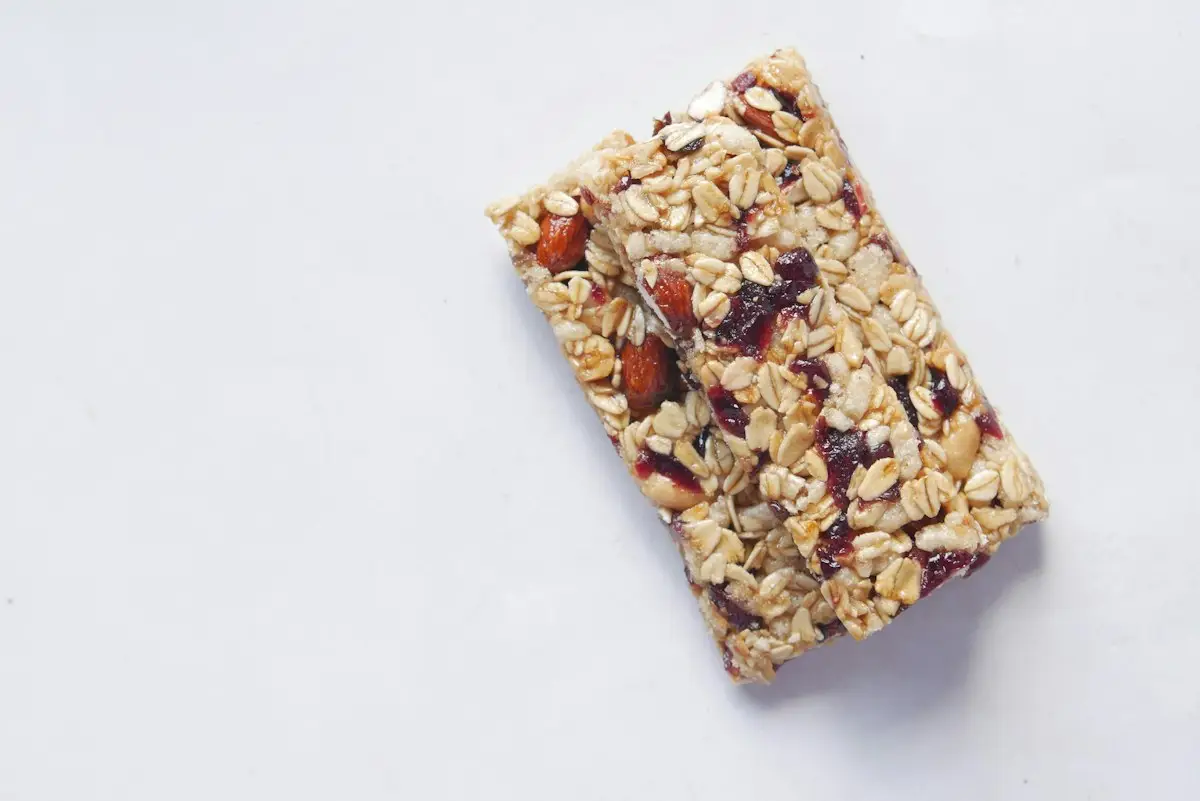
- Crunchy granola bar. The crunchy shelf classic. How to get a bar that snaps cleanly.
- Soft granola bar. Almost the same ingredients, a completely different texture. What makes a bar chewy.
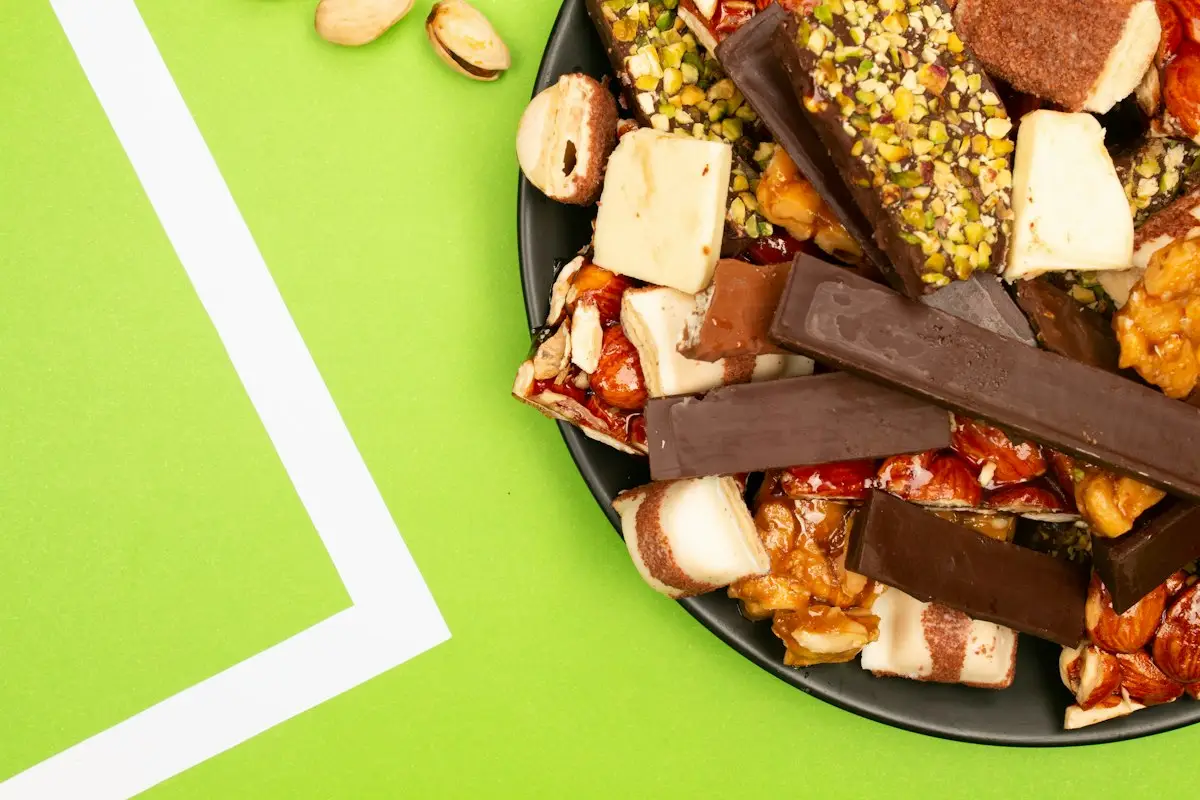
- Nut and fruit bar. Every ingredient visible. How to hold large pieces together.
- Date-based bar. When the fruit itself is the binder.
- Basic protein bar. Lots of powder, little water. Balancing protein, texture and shelf life. More than half the workshop is hands-on.
When, where and how
- Date
- Thursday, 26 November 2026
- Hours
- 16:00–19:00
- Sessions
- One 3-hour session
- Location
- Foodlab, Greenwork campus, Yakum
You go home with the bars from all five stations.
 Meet the instructor
Gil de Picciotto
Co-founder of Foodlab and Torr FoodTech
A former fighter pilot who decided to become a chef, involved for more than 20 years in dozens of new food product developments in Israel, the USA, Europe and China. Torr FoodTech, which he co-founded, developed a way to make bars without sugar-syrup binders, using mechanical pressure and ultrasonic energy. The technology drew investment from Mondelēz, and Torr raised a $12M Series A.
- 20+years in food product development
- $12MTorr Series A
Who is it for?
Food technologists and R&D
Get to know a new category, or put what you already know in order.
Production and QA
Understand what happens to a bar at each step of the line, and after it on the shelf.
Entrepreneurs and young brands
Thinking of launching a bar? Start from the principles.
Marketing and ingredient suppliers
Speak the language of your technical customer.
Frequently asked
I do not come from the bar world. Is it for me?
Yes. The lecture starts from the basics: what a bar is, which types exist and what holds it together, so everyone reaches the stations from the same starting point.
How is it different from other Foodlab Academy courses?
It is a single, focused three-hour session. Less depth than a two-day course, more breadth: five bar types, five techniques, and the full picture of the category.
What should I bring?
Nothing. Raw materials, equipment, aprons and workstations are on us.
I have an allergy. Is that a problem?
The workshop involves handling and tasting products that contain nuts, cereals and dairy. If you have an allergy, talk to us before registering and we will check what is possible.
What is the price and what does it include?
ILS 800 + VAT per participant. It includes the lecture, the five workstations, all raw materials, the tastings, and the bars you take home.
Details and registration
Three hours. Five stations. Five bars. You will not read an ingredient list the same way again. Seats are deliberately limited.